
Beyond the Taj: My Soulful Journey Through the Heart of Agra
Agra travel guide
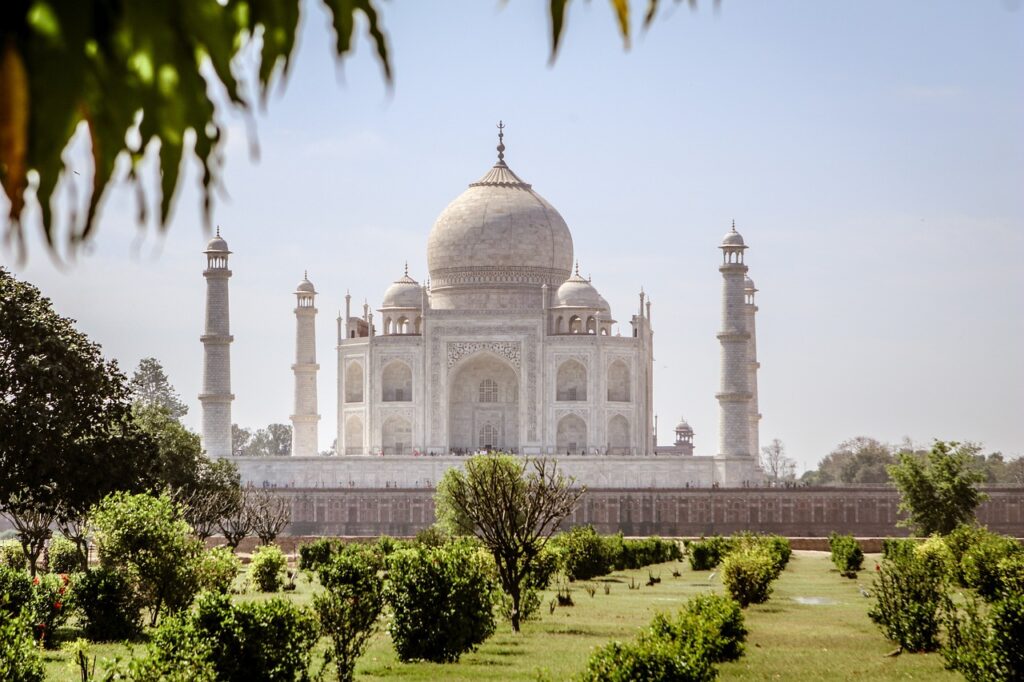
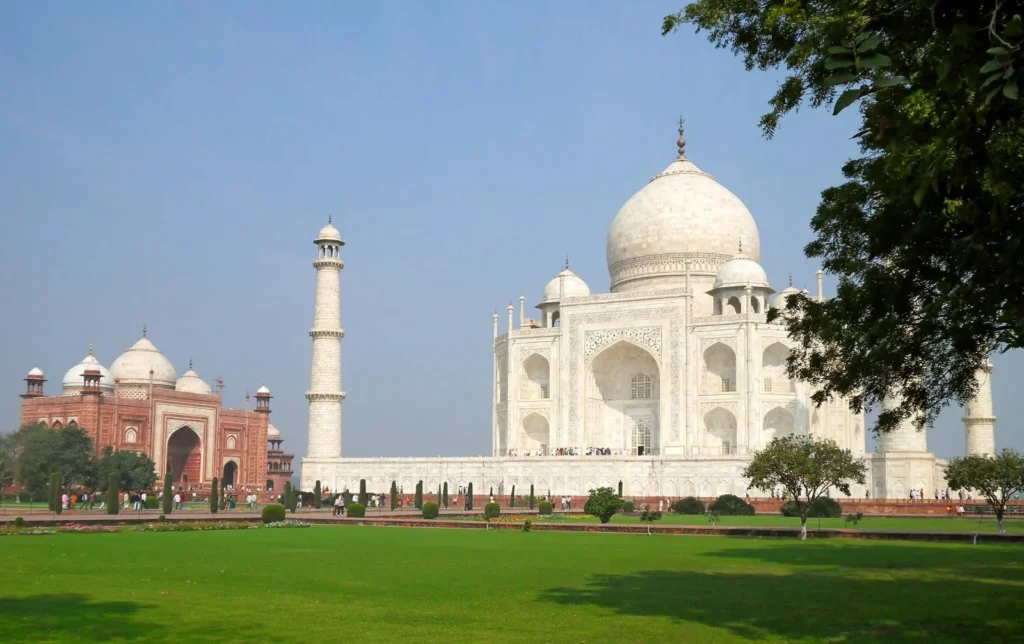
We all grow up seeing pictures of the Taj Mahal, but nothing—absolutely nothing—prepares you for the moment you step through the Great Gate (Darwaza-i rauza) and see that white marble shimmering against the morning sky.
In this guide, I’m taking you along on my personal exploration of Agra. I’ll share how I avoided the crowds, where I found the best views, and why you should stay for more than just a few hours.
The Sunrise Ritual: Meeting the Taj Mahal
My day began at 5:15 AM. Pro Tip: If you want that iconic “empty” shot of the Taj, you must be at the East Gate at least 45 minutes before sunrise.
Watching the marble change from a soft grey-blue to a pale pink, and finally to a brilliant, blinding white as the sun climbed higher, was a spiritual experience. I spent nearly three hours just walking the gardens.
Insider Secret: Don’t just look at the building from afar. Get close to the plinth to see the Pietra Dura (stone inlay work). The level of detail in the floral patterns made of semi-precious stones is mind-blowing.
After a quick breakfast, I headed to Agra Fort. While the Taj is about love, the Fort is about power. Walking through the massive Amar Singh Gate, I felt tiny.
The highlight for me was the Musamman Burj, an octagonal tower with an open pavilion. This is where Emperor Shah Jahan was imprisoned by his son, Aurangzeb. Standing there, looking out at the distant view of the Taj Mahal across the Yamuna River, you can almost feel the heartbreak of a king watching his greatest creation from a golden cage.
Sunset at Mehtab Bagh (The Moonlight Garden)
To end the day, I crossed the river to Mehtab Bagh. While everyone else was fighting for space at the Taj Mahal exit, I was sitting peacefully across the river.
The view of the Taj Mahal reflecting in the Yamuna at sunset is the best-kept secret in Agra. The silhouette of the dome against an orange sky is the perfect way to say goodbye to the city.
Agra (explorer,guider,places to visit )
Agra, situated on the banks of the Yamuna River in Uttar Pradesh, is a city that serves as a profound window into India’s Mughal heritage. While globally synonymous with the Taj Mahal, the city offers a rich tapestry of architectural brilliance, vibrant markets, and historical depth that warrants a comprehensive exploration.
The Iconic Landmarks
The journey inevitably begins with the Taj Mahal, a UNESCO World Heritage site and a masterpiece of white marble. To truly appreciate its ethereal beauty, visit at sunrise when the soft light hits the inlay work of semi-precious stones. Beyond the main mausoleum, the well-manicured Charbagh gardens offer various perspectives for photography.
Just a short distance away lies the Agra Fort, a massive red sandstone fortress that served as the main residence of the Mughal emperors. Exploring its hidden underground passages, the Diwan-i-Aam (Hall of Public Audience), and the Musamman Burj—the octagonal tower where Shah Jahan spent his final years gazing at the Taj—provides a sense of the scale and power of the empire.
Hidden Gems and Vistas
For a quieter experience, head across the river to Mehtab Bagh (The Moonlight Garden). This botanical retreat is perfectly aligned with the Taj Mahal and offers one of the most stunning sunset views of the monument without the intense crowds of the main complex.
Nearby, the Tomb of Itmad-ud-Daulah, often referred to as the “Baby Taj,” is a must-visit. It was the first Mughal structure built entirely of marble and features intricate lattice work (jali) that predates the Taj Mahal, showcasing a transition in architectural styles.
Spiritual and Cultural Stops
Jama Masjid, one of the largest mosques in India, stands facing the Agra Fort. Its unique zig-zag patterned domes and vast courtyard reflect the spiritual grandeur of the 17th century. After visiting the mosque, immerse yourself in the narrow lanes of Kinari Bazaar. This bustling market is the soul of old Agra, famous for its marble handicrafts, leather goods, and traditional jewelry.
Essential Tips
Local Flavors: No trip is complete without tasting Agra Petha, a translucent candy made from ash gourd. Look for reputable shops like Panchhi Petha for authentic varieties.
Timing: The best time to visit is between October and March when the weather is pleasant for walking.
Fatehpur Sikri: If time permits, take a 40-minute drive to this “Ghost City,” which served as the Mughal capital for a short period and houses the magnificent Buland Darwaza.